
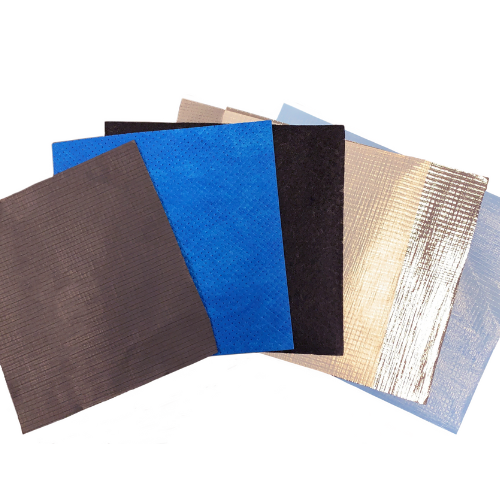
For many years, material selection was often viewed as a later-stage decision in product development. Engineers and designers would establish the product concept, define performance requirements, and then identify materials capable of meeting those specifications. Today, that approach is rapidly changing. Across industries including packaging, construction, filtration, and manufacturing, material selection is increasingly becoming one of the earliest and most important decisions in the development process.
The reason is simple: materials have a direct impact on performance, manufacturability, cost, durability, and overall product success.
Materials Influence More Than Performance
When people think about materials, they often focus on physical properties such as strength, flexibility, or durability. While these characteristics remain important, modern materials influence far more than end-use performance.
Material selection can affect:
- Manufacturing efficiency
- Converting and processing performance
- Product appearance
- Transportation and logistics
- Product lifespan
- Overall cost structure
Because materials impact so many aspects of a product, decisions made early in development can influence outcomes throughout the entire lifecycle.
Product Requirements Are Becoming More Complex
Today’s products are expected to do more than ever before. Packaging must protect products while supporting efficient manufacturing and strong shelf presentation. Building materials must balance durability, moisture management, and energy efficiency. Industrial products often require lightweight structures that still provide reliable performance.
Meeting these expectations frequently requires multiple material properties working together within a single design.
As a result, product developers are increasingly evaluating materials at the beginning of the design process rather than treating them as a final specification.
The Rise of Engineered Material Solutions
Instead of relying on a single material to meet every requirement, many manufacturers are turning to engineered solutions that combine different materials into optimized structures.
Films, nonwovens, reinforcement layers, and specialty materials can each contribute unique performance benefits. By selecting these materials early and designing around their capabilities, manufacturers can create products that better balance strength, appearance, functionality, and manufacturability.
This shift has helped drive innovation across a wide range of industries.
Collaboration Creates Better Outcomes
Early material selection also encourages greater collaboration between product developers, converters, manufacturers, and material suppliers.
When material discussions happen earlier in the development cycle, teams can identify opportunities that may not be apparent later in the process. Alternative structures, reinforcement technologies, specialized nonwovens, or custom composite solutions can often solve challenges more efficiently when considered from the beginning.
This collaborative approach helps reduce redesigns, improve performance, and accelerate development timelines.
Material Selection as a Competitive Advantage
In today’s competitive environment, materials are no longer just components within a product. They are strategic tools that help manufacturers differentiate themselves in the marketplace.
The right material choice can improve product durability, enhance customer experience, streamline manufacturing, and support long-term performance goals. Companies that involve materials early in product development often gain greater flexibility and more opportunities to optimize the final design.
Looking Ahead
As products become more sophisticated and performance expectations continue to grow, the importance of early material selection will only increase. Manufacturers are recognizing that successful products begin with a strong foundation, and that foundation is often the material itself.
By considering material capabilities at the start of the design process, companies can unlock new possibilities for innovation, efficiency, and performance.
At ANCI, we work with customers across multiple industries to help identify material solutions that support both product performance and manufacturing success. The earlier those conversations begin, the more opportunities there are to create better outcomes.