
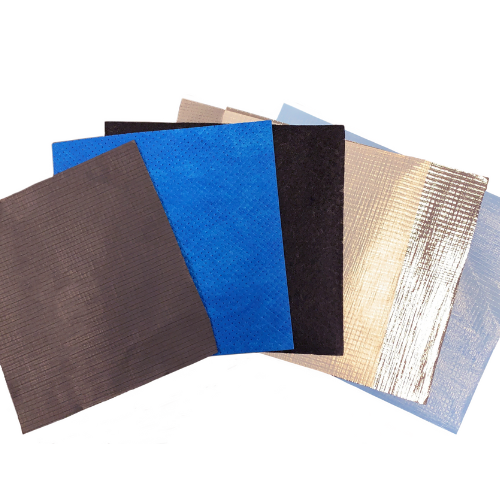
Not all materials are created equal. While many products may appear similar on paper, the way they are designed, manufactured, and integrated into an application can have a significant impact on performance. This is the difference between a commodity material and an engineered material. Commodity materials are designed to meet general-purpose needs, while engineered materials are developed to solve specific challenges and deliver targeted performance for a particular application.
Commodity Materials Serve a Purpose
Commodity materials are widely available and are often selected based on price, availability, or standard specifications. For many applications, these materials perform well and provide a cost-effective solution. However, as products become more complex and performance expectations increase, a standard material may no longer be enough to meet the demands of the application.
Engineered Materials Are Designed Around Performance
Engineered materials begin with the end application in mind. Instead of asking, “What material should we use?” the process starts by asking, “What does the product need to accomplish?”
The answer may involve improving strength without adding weight, increasing dimensional stability during converting, enhancing airflow, creating a premium surface appearance, or managing moisture within a building envelope. Every application presents a different challenge, and engineered materials are developed to address those specific requirements.
Material Design Goes Beyond Specifications
A specification sheet provides valuable information about a material, but it does not always tell the complete story. How a material behaves during converting, lamination, printing, installation, or long-term use is often just as important as its individual physical properties.
Material structure, compatibility with other substrates, consistency, and manufacturing quality all contribute to real-world performance. These factors are considered throughout the engineering process to ensure the material performs as intended in the finished product.
Collaboration Drives Better Solutions
Developing an engineered material is often a collaborative process. Manufacturers, converters, designers, and material suppliers work together to understand the application’s performance goals and identify the best combination of materials to achieve them.
This approach allows products to be optimized for manufacturing efficiency, durability, appearance, and overall functionality rather than relying on a one-size-fits-all solution.
One Material Rarely Solves Every Challenge
Modern products often require multiple performance characteristics at the same time. A packaging structure may need strength, printability, and flexibility. A building material may require moisture management, durability, and dimensional stability. Industrial applications may demand lightweight construction while maintaining long-term performance.
Engineered materials allow these requirements to be balanced through thoughtful design rather than compromise.
Innovation Through Material Engineering
Across industries, manufacturers are increasingly looking beyond individual materials and focusing on complete material systems. Films, nonwovens, reinforcement technologies, net structures, and custom composite materials can each contribute unique performance benefits when engineered to work together.
At ANCI, this philosophy guides the development of solutions across our portfolio, from reinforcement technologies and nonwoven materials to drainable building envelope systems and custom composite structures. Rather than offering materials as standalone products, we focus on helping customers identify solutions that are engineered around the demands of their application.
The Value of Engineering
As product expectations continue to evolve, the difference between selecting a material and engineering a material becomes increasingly important. Commodity materials will always have their place, but when performance, efficiency, and long-term reliability matter, engineered materials provide opportunities to solve challenges that standard materials simply cannot.
The best-performing products are often not defined by a single material, but by how thoughtfully that material has been engineered to meet the needs of the application.