
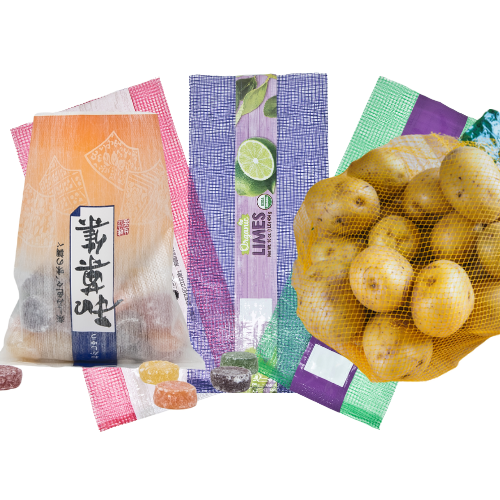
Selecting the right packaging material is a critical decision that impacts product protection, shelf appeal, logistics, and overall performance. With a wide range of materials available, from films and nonwovens to netting and reinforced composites, the challenge is not just choosing what works, but choosing what works best for your specific application. Understanding the key factors that influence packaging performance can help guide better material decisions.
Start with the Product Requirements
Every packaging decision begins with the product itself. Factors such as weight, shape, fragility, and environmental sensitivity all influence material selection. Products that require airflow, such as fresh produce, benefit from breathable packaging, while heavier or irregular items may require materials that provide additional strength and containment.
Consider Protection vs Breathability
One of the most important tradeoffs in packaging is between protection and airflow. Traditional film packaging provides a sealed barrier, which can be beneficial for containment and protection from external elements. However, in applications where moisture buildup or condensation is a concern, breathable materials offer a clear advantage. Net packaging solutions such as D-Net® allow for continuous airflow while still maintaining product containment, making them ideal for produce and other applications where freshness is critical.
Evaluate Strength and Durability
Packaging materials must withstand handling, transport, and storage conditions. Thin films alone may not always provide sufficient durability, especially for products that experience stress during distribution. Reinforced materials help improve tear resistance and load distribution without significantly increasing weight. Engineered reinforcement structures like CLAF® can be incorporated into composite packaging to enhance strength and maintain dimensional stability throughout the supply chain.
Don’t Overlook Appearance and Brand Perception
Packaging is often the first interaction a customer has with a product. Materials that offer a premium look and feel can elevate brand perception and influence purchasing decisions. Surface texture, printability, and visual consistency all play a role in how packaging is perceived. Nonwoven materials such as Milife® provide a smooth, refined surface that can enhance both aesthetics and functionality in decorative or retail-focused applications.
Think About Converting and Processing
Material performance during converting is just as important as performance in the field. Packaging materials must run efficiently through lamination, printing, and slitting processes without introducing defects or variability. Consistent material structure and compatibility with adhesives and coatings help ensure smooth production and reliable results.
When Custom Composites Make Sense
In many cases, no single material delivers all the required properties. Custom composite structures allow manufacturers to combine materials to achieve specific performance goals. By layering films, nonwovens, and reinforcement structures, packaging can be engineered to balance strength, breathability, appearance, and processability. These tailored solutions are especially valuable in applications with unique or demanding requirements.
Making the Right Choice
Choosing the right packaging material requires balancing multiple factors, including product needs, environmental conditions, performance expectations, and brand goals. Materials like netting, nonwovens, and reinforced composites each offer distinct advantages depending on the application. By understanding these differences and selecting materials strategically, manufacturers can improve product protection, enhance presentation, and optimize overall efficiency.
At ANCI, packaging solutions are developed with this balance in mind, helping customers identify the right combination of materials to meet both performance and design objectives.